

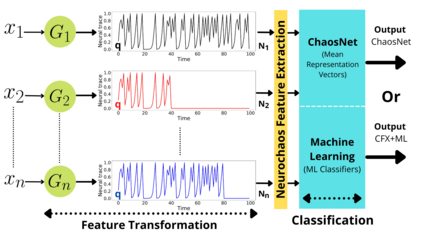
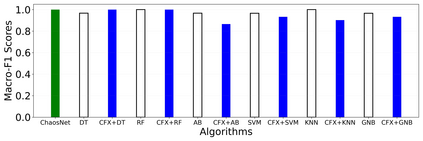
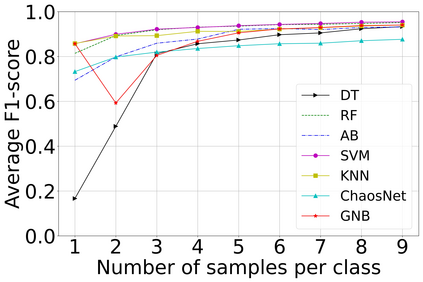
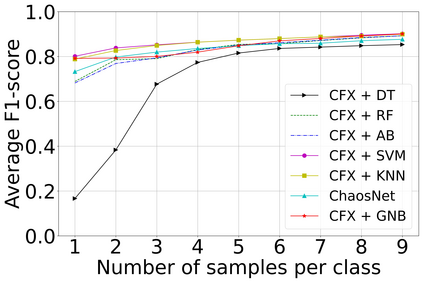
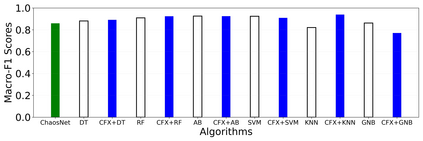
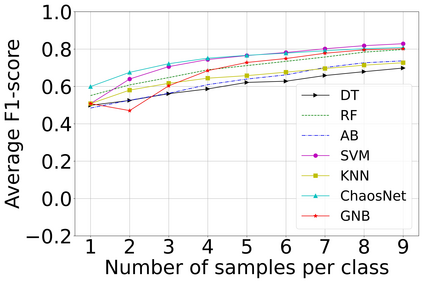
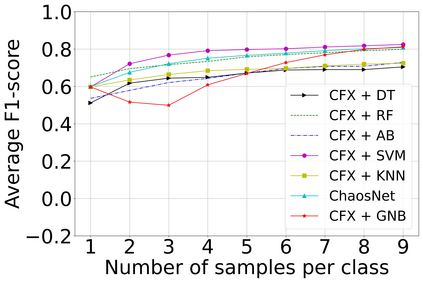
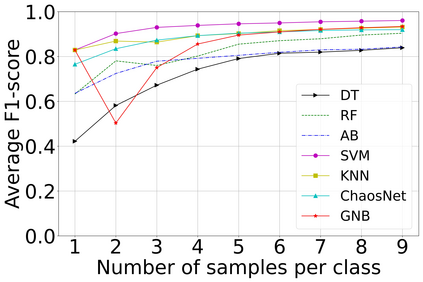
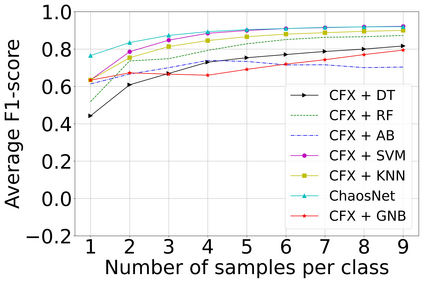
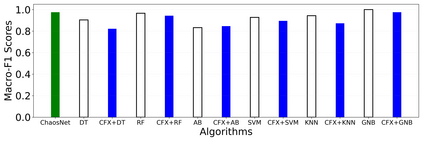
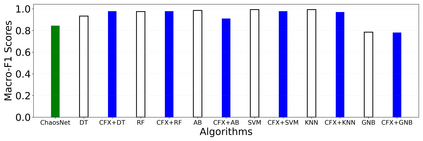
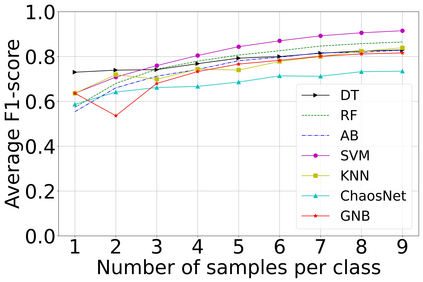
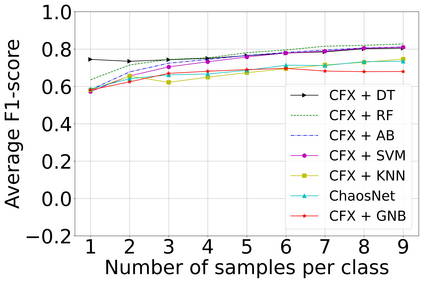
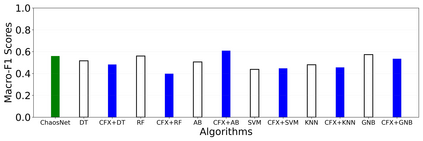
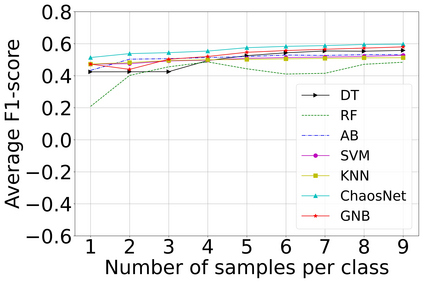
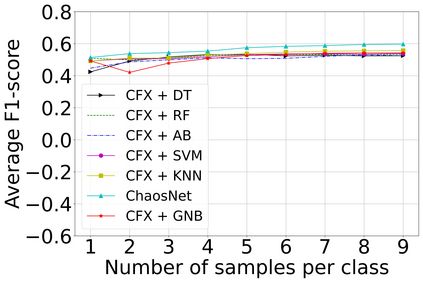
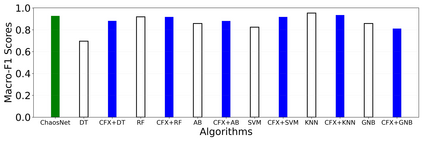
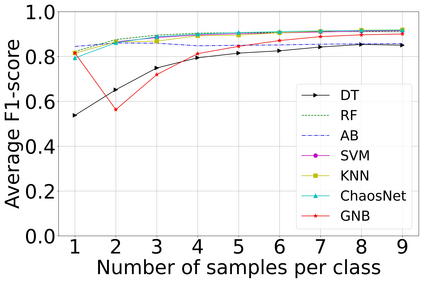
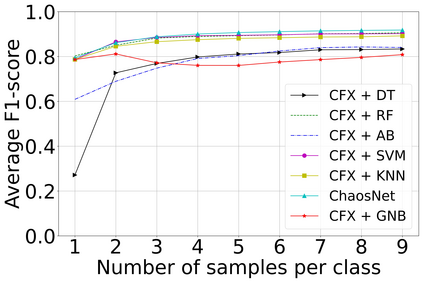
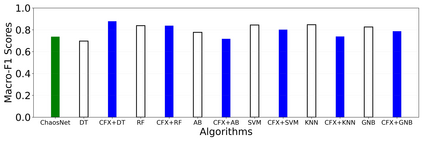
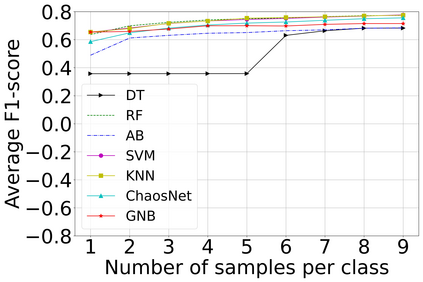
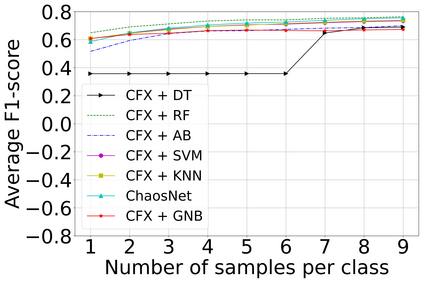
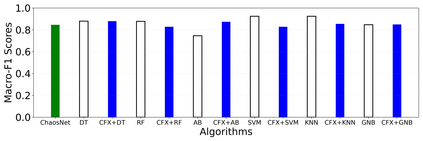
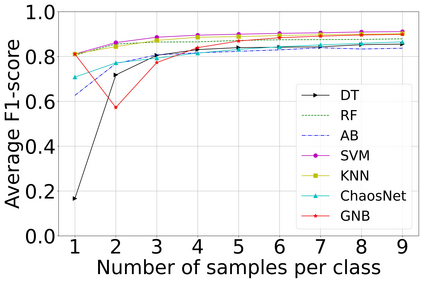
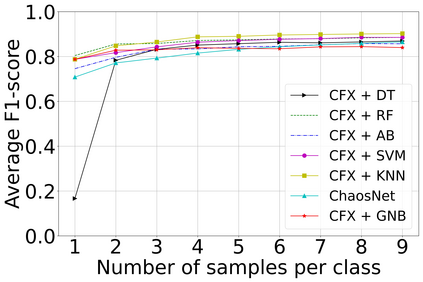
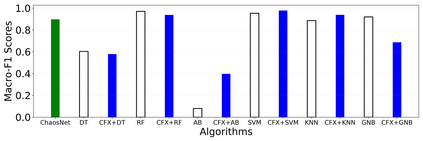
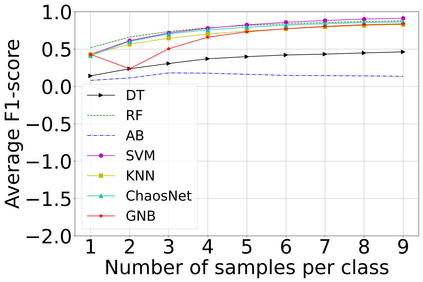
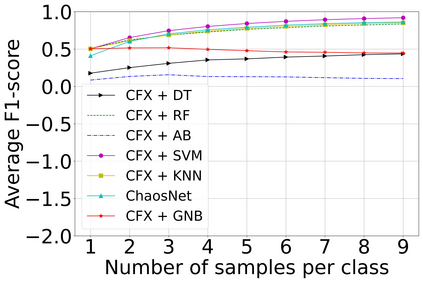
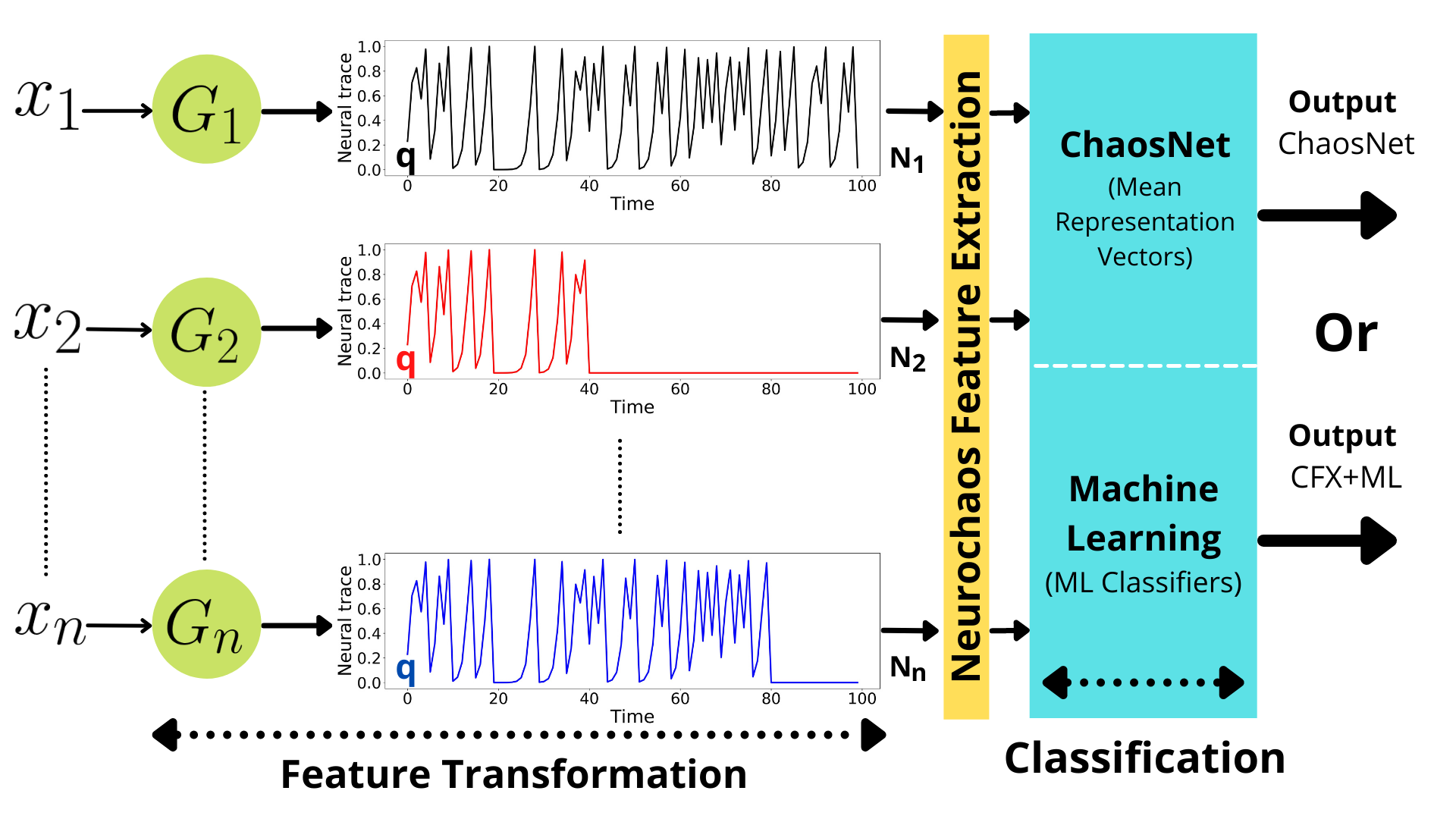
Learning from limited and imbalanced data is a challenging problem in the Artificial Intelligence community. Real-time scenarios demand decision-making from rare events wherein the data are typically imbalanced. These situations commonly arise in medical applications, cybersecurity, catastrophic predictions etc. This motivates the development of learning algorithms capable of learning from imbalanced data. Human brain effortlessly learns from imbalanced data. Inspired by the chaotic neuronal firing in the human brain, a novel learning algorithm namely Neurochaos Learning (NL) was recently proposed. NL is categorized in three blocks: Feature Transformation, Neurochaos Feature Extraction (CFX), and Classification. In this work, the efficacy of neurochaos feature transformation and extraction for classification in imbalanced learning is studied. We propose a unique combination of neurochaos based feature transformation and extraction with traditional ML algorithms. The explored datasets in this study revolve around medical diagnosis, banknote fraud detection, environmental applications and spoken-digit classification. In this study, experiments are performed in both high and low training sample regime. In the former, five out of nine datasets have shown a performance boost in terms of macro F1-score after using CFX features. The highest performance boost obtained is 25.97% for Statlog (Heart) dataset using CFX+Decision Tree. In the low training sample regime (from just one to nine training samples per class), the highest performance boost of 144.38% is obtained for Haberman's Survival dataset using CFX+Random Forest. NL offers enormous flexibility of combining CFX with any ML classifier to boost its performance, especially for learning tasks with limited and imbalanced data.
翻译:从有限和不平衡的数据中学习,这是人工智能界的一个挑战性问题。实时情景要求从数据通常不平衡的罕见事件中做出决策。这些情况通常出现在医疗应用、网络安全、灾难性预测等方面。这促使开发能够从不平衡数据中学习的学习算法。人类大脑不费力地从不平衡数据中学习。在人类大脑中混乱神经失常的发酵的启发下,最近提出了一个新型学习算法,即Neurochaos Learning (NL) 。NL分为三个块:Feature Transform、Neurochaos Featur Inditionon(CFX)和分类。在这项工作中,神经chaos特征转换和提取用于不平衡学习分类的分类的功效通常。我们提出将基于神经结构的特征转换和提取与传统的ML算法的独特的结合。本研究的数据集围绕医学诊断、银行货币欺诈检测、环境应用和语音分类。在本研究中,在高和低培训样本制度下都进行了不平衡的实验。在前,9个数据集中,将最高性性性数据转换为HE-x最高性成绩的成绩的成绩分析,在使用FX的成绩分析中,在使用最高分级的成绩分析中,在使用F-x的成绩上,在使用最高分数级的成绩分析中,在使用最高分数级的成绩上学习了最高分数级的成绩上,在使用F-x的成绩上学习了最高分级的成绩学的成绩学的成绩上,用最高分级数据学习。




相关内容



 微信扫码咨询专知VIP会员