

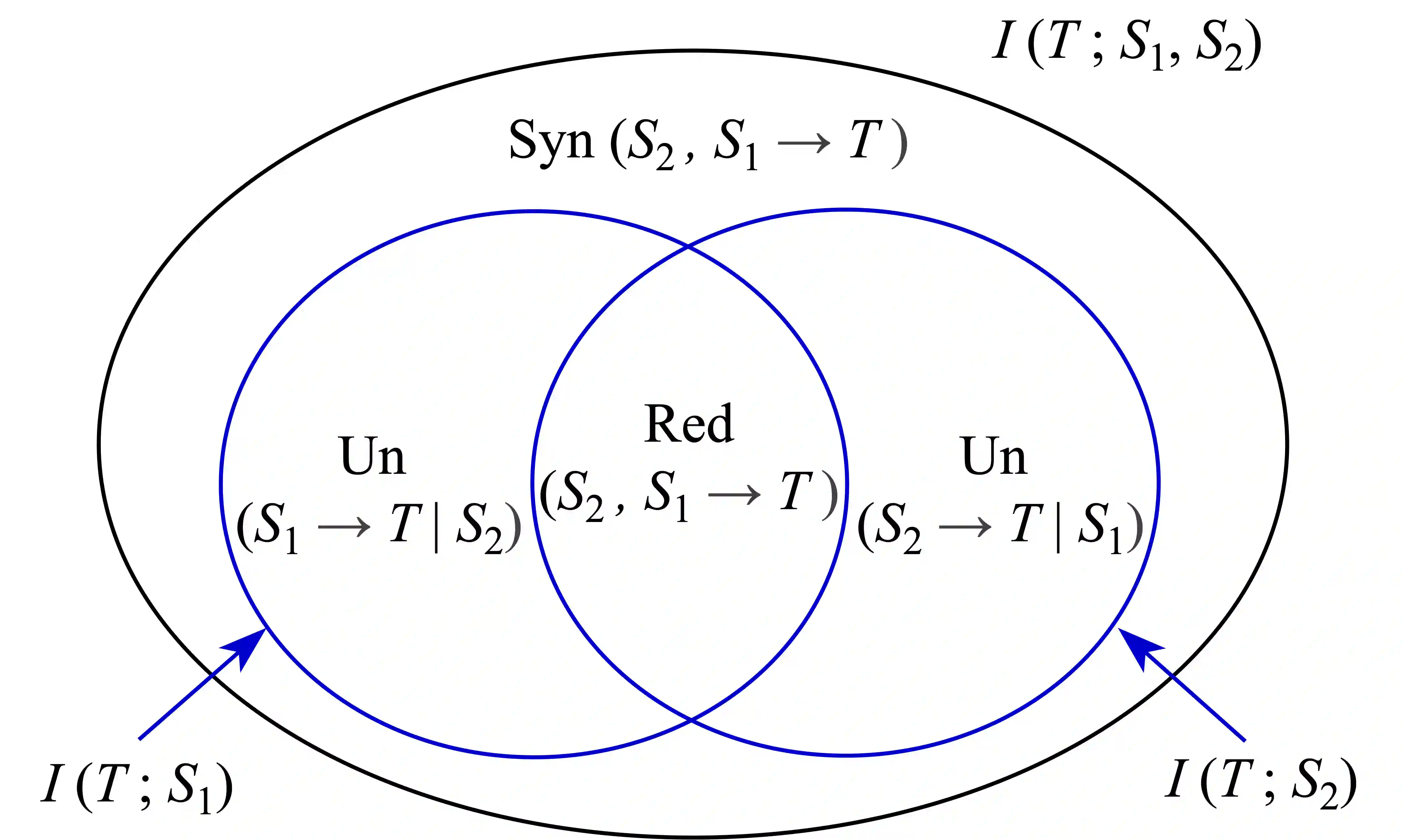
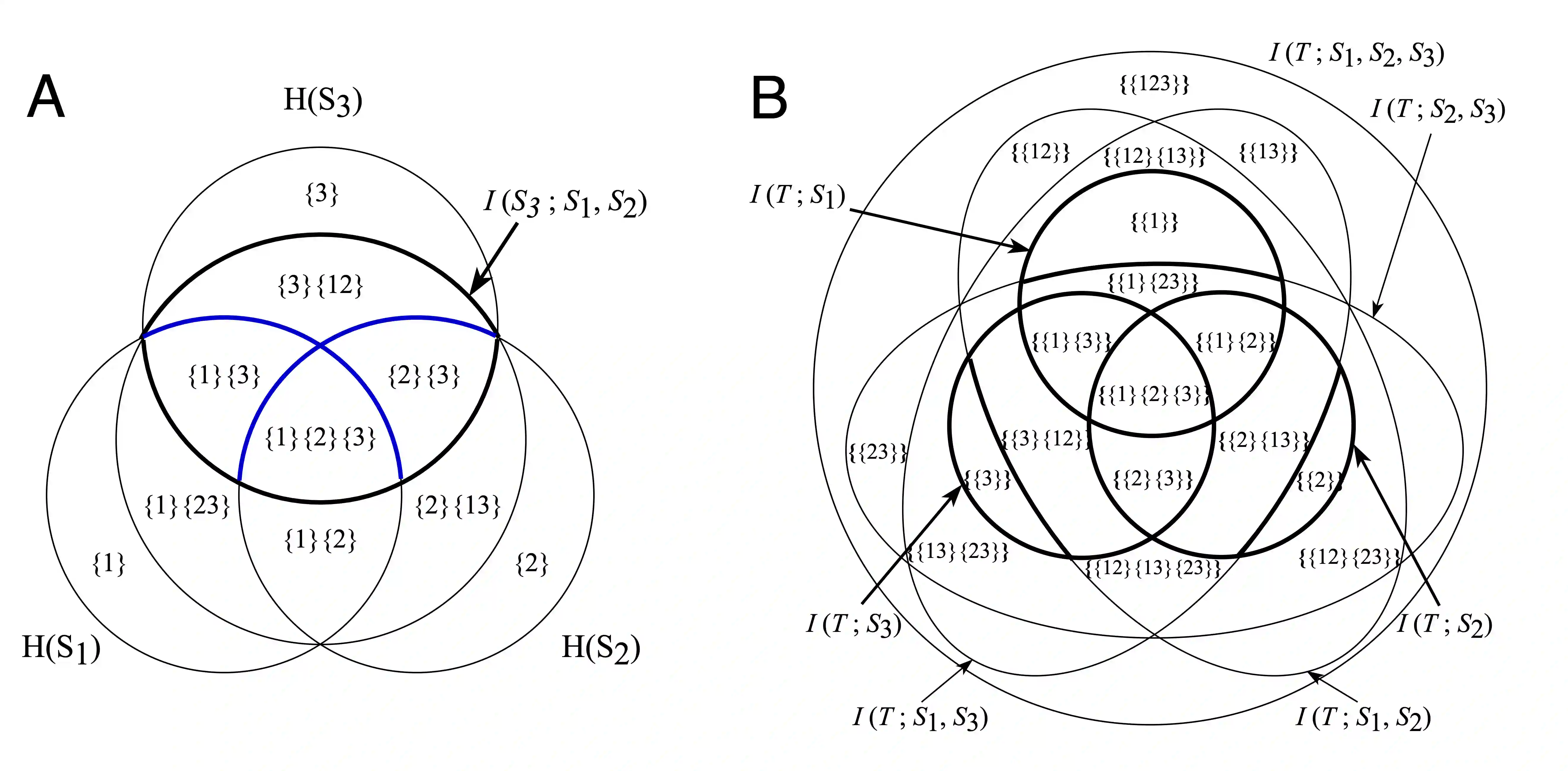
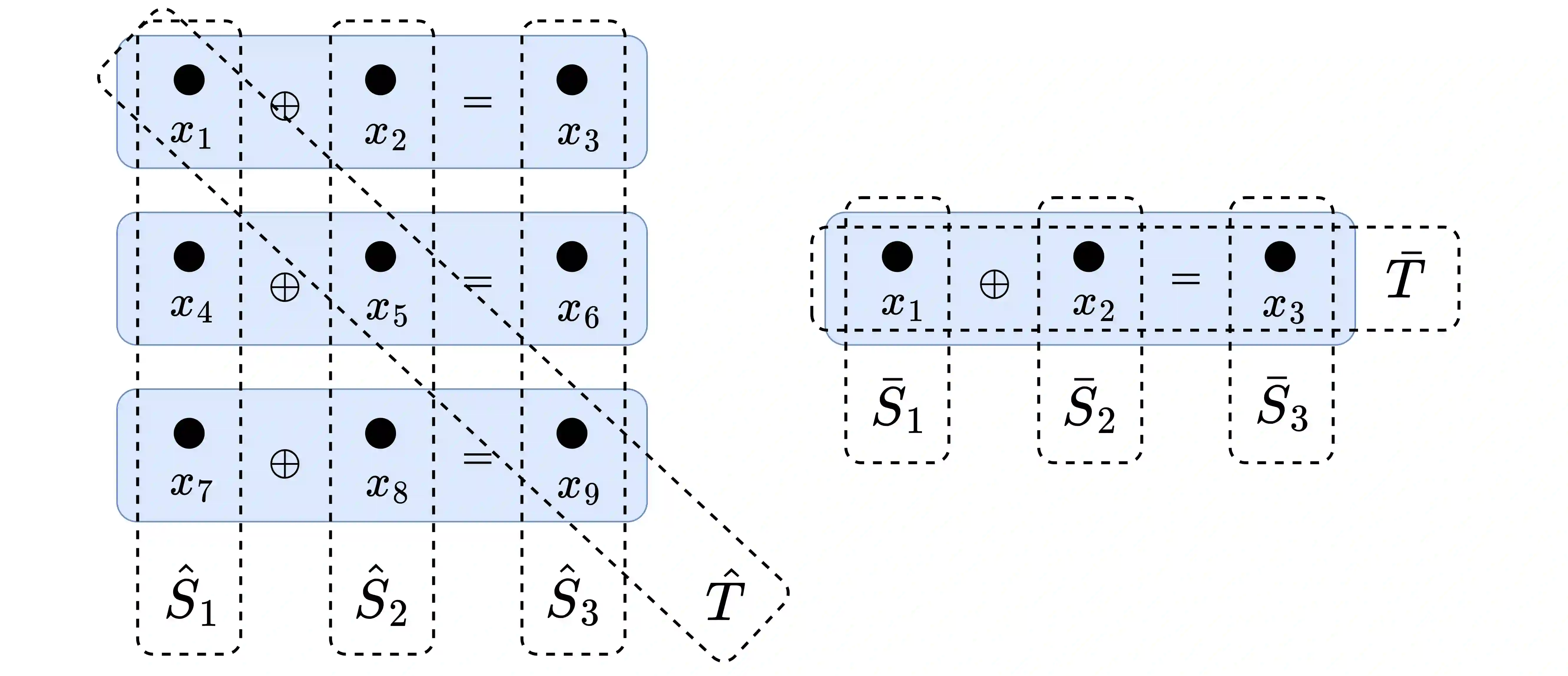
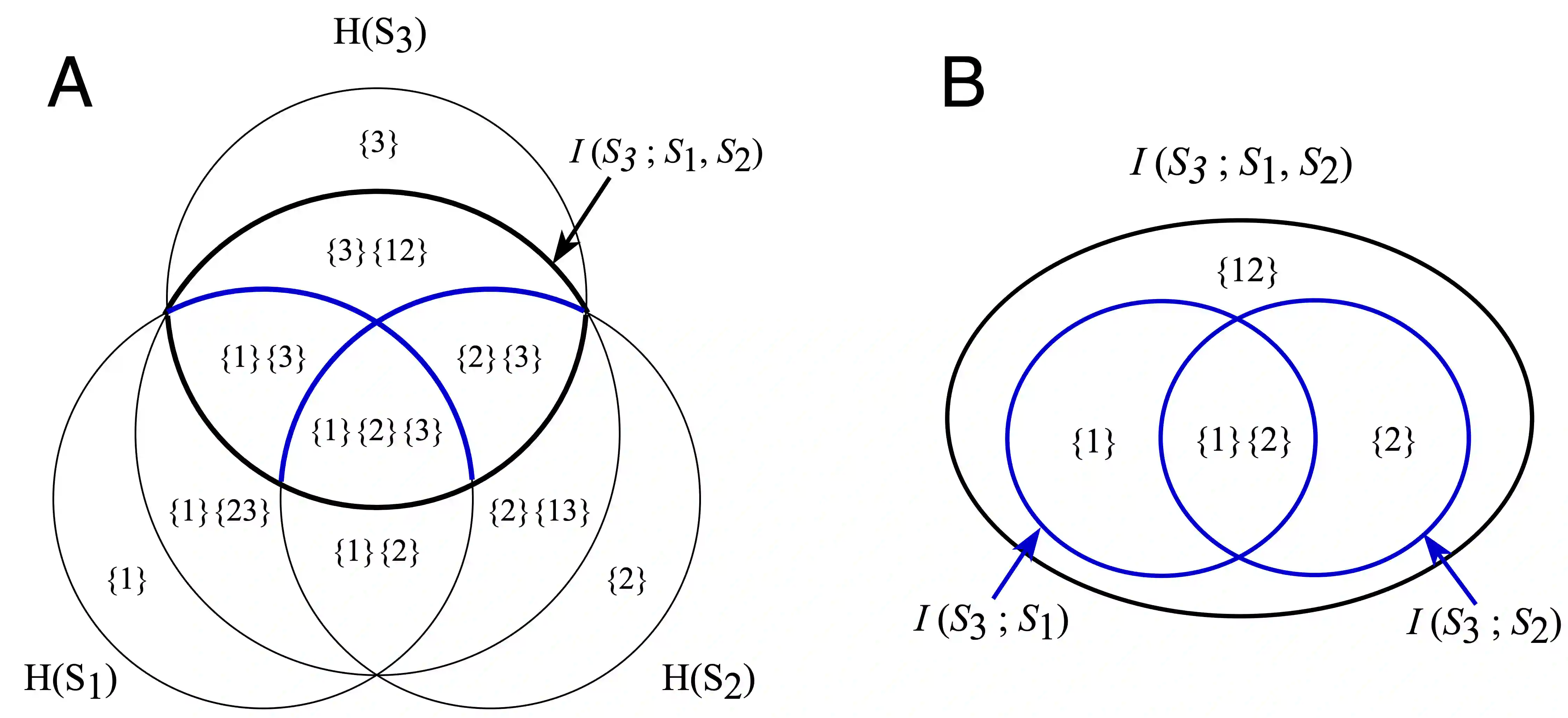
Partial Information Decomposition (PID) was proposed by Williams and Beer in 2010 as a tool for analyzing fine-grained interactions between multiple random variables, and has since found numerous applications ranging from neuroscience to privacy. However, a unified theoretical framework remains elusive due to key conceptual and technical challenges. We identify and illustrate a crucial problem: PID violates the set-theoretic principle that the whole equals the sum of its parts (WESP). Through a counterexample in a three-variable system, we demonstrate how such violations naturally arise, revealing a fundamental limitation of current lattice-based PID frameworks. To address this issue, we introduce a new axiomatic framework, termed System Information Decomposition (SID), specifically tailored for three-variable systems. SID resolves the WESP violation by redefining the summation rules of decomposed information atoms based on synergistic relationships. However, we further show that for systems with four or more variables, no partial summation approach within the existing lattice-based structures can fully eliminate WESP inconsistencies. Our results thus highlight the inherent inadequacy of (antichain) lattice-based decompositions for general multivariate systems.
翻译:部分信息分解(PID)由Williams和Beer于2010年提出,作为分析多个随机变量间细粒度交互作用的工具,目前已广泛应用于从神经科学到隐私保护的诸多领域。然而,由于关键概念与技术挑战,其统一理论框架仍未建立。本文发现并阐明了一个核心问题:PID违反了“整体等于部分之和”(WESP)这一集合论基本原则。通过一个三变量系统的反例,我们展示了此类违反如何自然产生,从而揭示了当前基于格结构的PID框架的根本局限。为解决该问题,我们提出了一种新的公理化框架——系统信息分解(SID),专门针对三变量系统设计。SID通过基于协同关系重新定义分解信息原子的求和规则,解决了WESP违反问题。然而,我们进一步证明,对于四个及以上变量的系统,在现有格结构框架内采用任何部分求和方法均无法完全消除WESP不一致性。因此,我们的研究结果凸显了(反链)格结构分解对于一般多变量系统存在固有不足。





相关内容





 微信扫码咨询专知VIP会员